5 Iconic Southeastern Species That Need Your Help
The Southeastern United States is home to many unique and fascinating animal species. With its wide range of ecosystems, from coastal wetlands to pine forests to the foothills of the Appalachian Mountains, animal life has thrived in this corner of the world for millennia. In fact, in 2016, much of the Southeastern territory was announced as a global biodiversity hotspot by the Critical Ecosystem Partner Fund, joining the likes of the Mediterranean Basin, Tropical Andes and Himalayan Mountains . Referred to as “The North American Coastal Plain”, this area covers much of the Southern Atlantic and Gulf Coast regions and highlights the incredible diversity of both plant and animal species found in this area.
Unfortunately, one of the criteria for this categorization beyond an incredible diversity of flora and fauna is substantial habitat loss - over 70% to be exact. Scientists have estimated that over 85.5% of all land cover within the North American Coastal Plain has been either "highly altered or converted to anthropogenic land cover". Grasslands, savannas, woodlands, marshes and glades are among the worst affected.
Through rapid growth & development along with the same environmental issues that are plaguing every part of the world right now, many species that call the Southeast home are endangered - critically endangered. These species are not just important contributors to their ecosystem and the overall climate, they are also iconic emblems of the landscape. Here are five Southeastern species that need our attention & help.
1. Leatherback Turtle
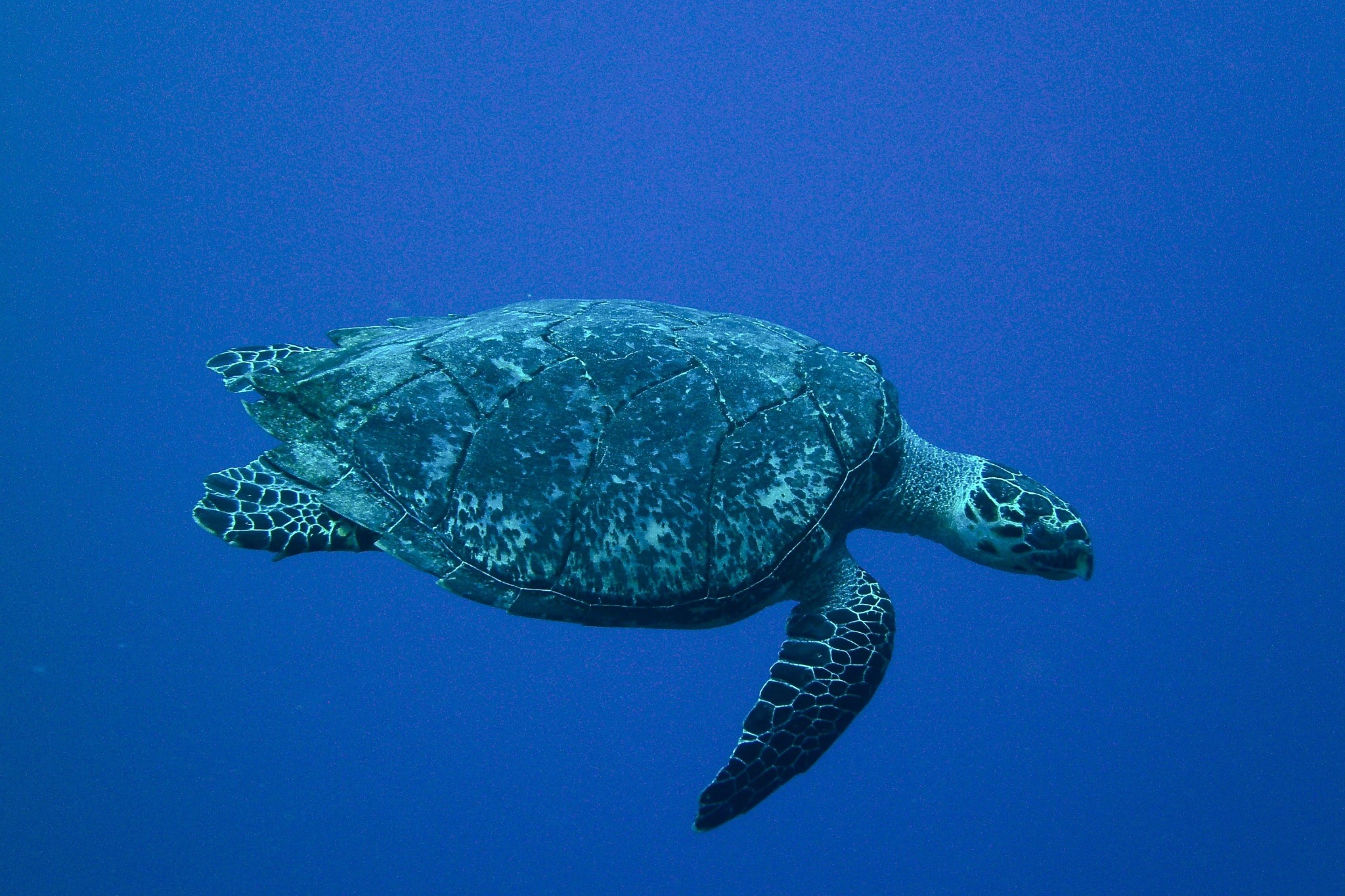
Leatherback sea turtles, while not as ubiquitous as their Loggerhead cousins, are one of the most famous species found in the Southern Atlantic ocean and unfortunately, also one of the most critically endangered. These gentle giants are the largest of all living turtles and the heaviest non-crocodilian reptile on Earth. They are easily distinguishable by their unique appearance - instead of a bony shell like other turtle species, you’ll notice their namesake “leathery” flexible skin shell. While they are found throughout the world, they are classified as either “endangered” or “critically endangered” in every area that they are found.
Leatherback sea turtles primarily eat jellyfish, which helps humans in a big way. Jellyfish populations are kept at healthy levels thanks to these turtles, which in turns helps fish populations recover as jellyfish eat fish larvae. Healthier fish populations benefit the entire ocean ecosystem in a myriad of ways. Unfortunately, they often mistake floating plastic bags for their jellyfish prey and this is one of the major reasons for their decline. Other reasons include illegal harvesting of eggs (a delicacy in many Asian countries), light pollution on beaches (distracting just hatched turtles from making it to sea), and ship injuries.
2. Indiana Bat
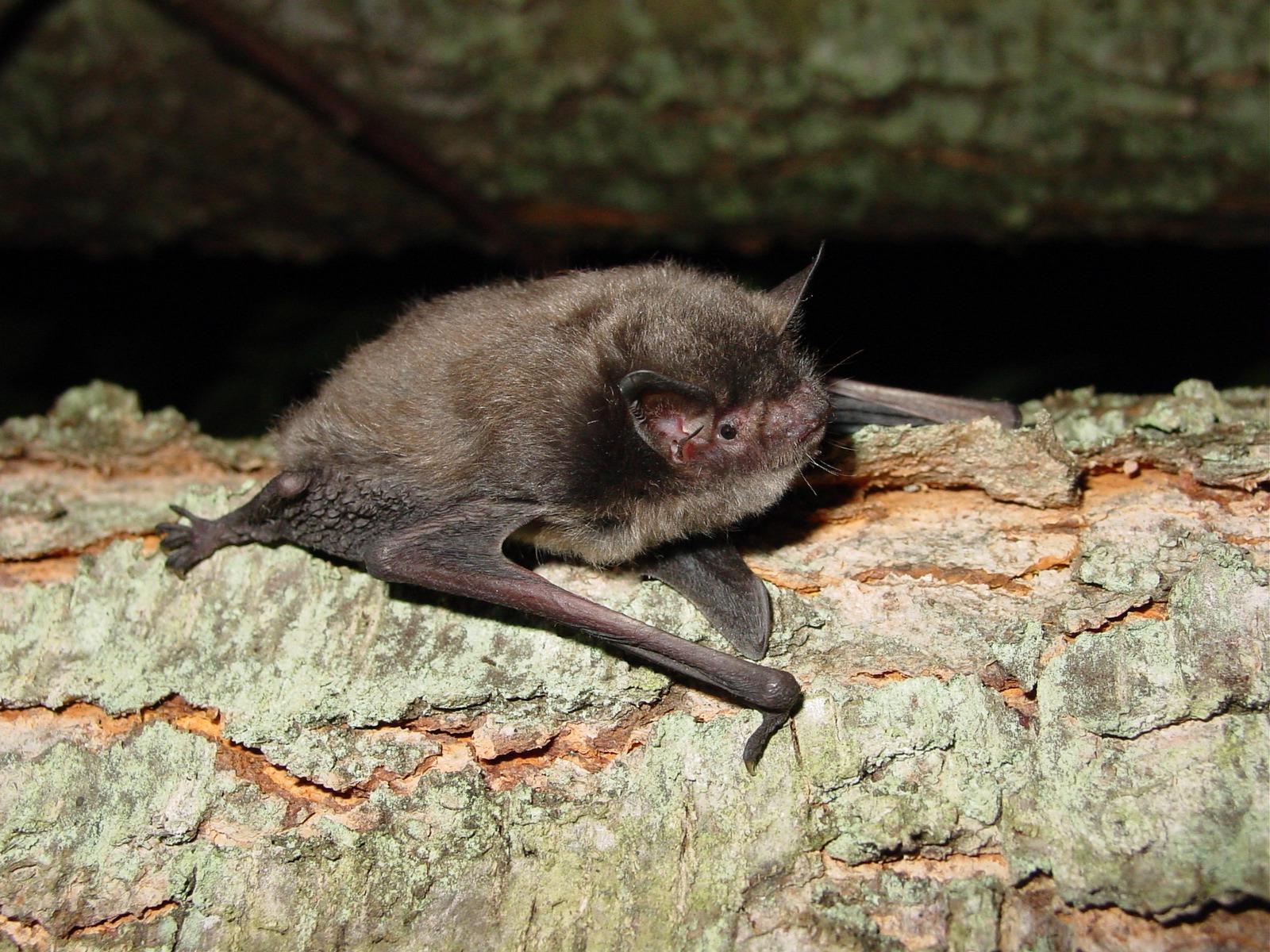
The Indiana Bat is a medium-sized mouse-eared migratory bat native to North America that primarily lives in the midwestern and southern states. Indiana Bats are highly social. They hibernate in very large colonies in caves and mines during the winter and congregate in smaller, maternal colonies in forested areas during the summer. Like many other bat species, these bats are extremely beneficial to the areas they reside as they are prolific insectivores. A single bat can eat up to 3,000 insects per feeding. Their diet of night-flying insects means they can be very effective in reducing crop pest damage.
Indiana bats are listed as ‘Threatened” federally and at many state levels. They are very susceptible to human disturbance as they nest in huge colonies in very few caves over the winter and there are only a few caves which provide the right conditions for their hibernation. The disturbance or commercialization of caves has contributed to their decline, as well as White Nose Syndrome, a disease that first arrived in 2007. Furthermore, they are reliant on tree-lined streams and rivers and forested lands during the summer - areas increasingly difficult to find in some areas due to habitat loss.
3. Eastern Indigo Snake
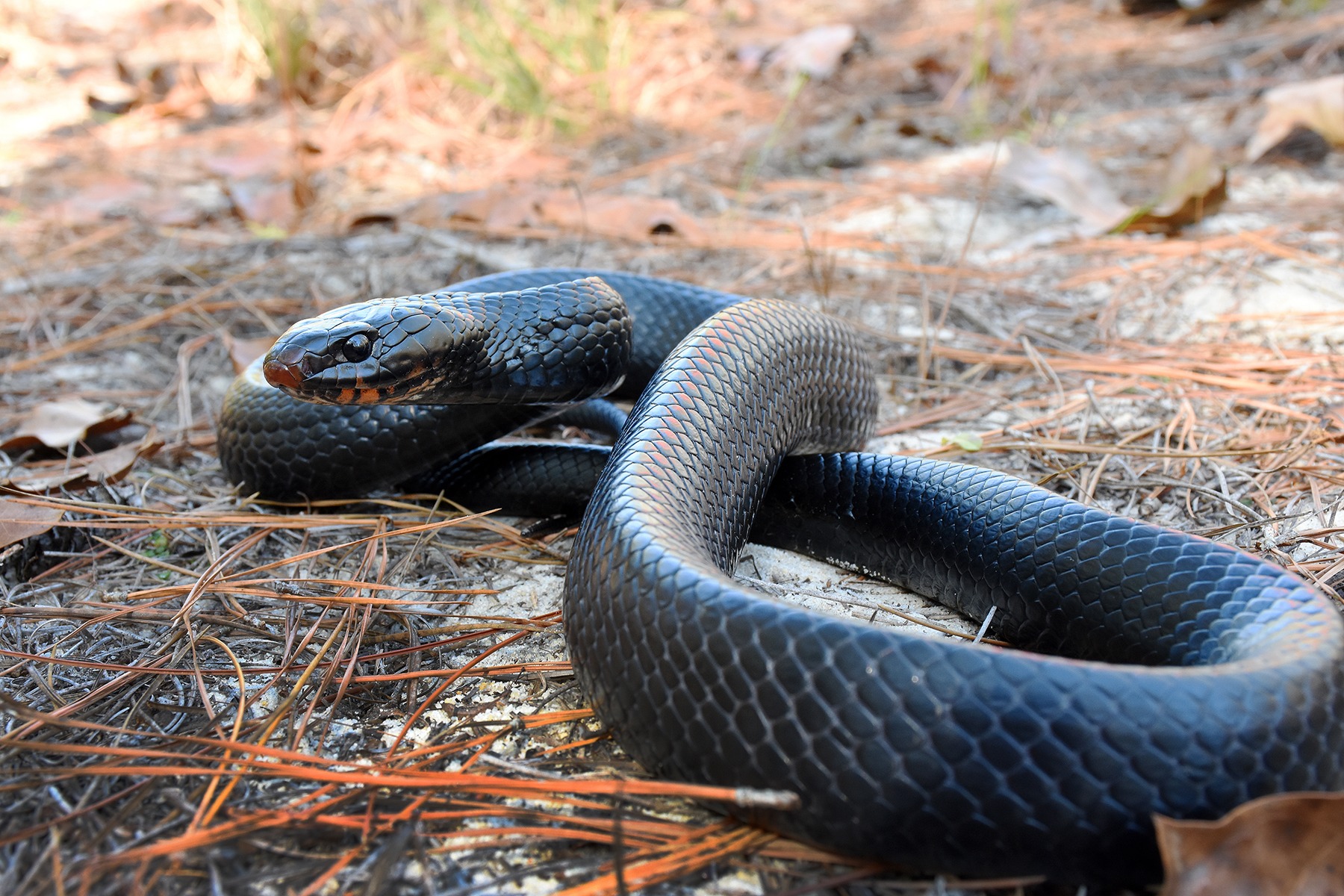
The Eastern Indigo Snake is the longest native snake on the North American continent and an familiar face in the Southeastern pine forests. It is a non-venomous snake that typically reaches 5-9 feet in length and has shiny black scales with orange-reddish scales around the chin and face.
Indigo snakes are important apex predators in their habitats and they eat everything from small mammals to other venomous snakes. They play a huge role in keeping ecosystem populations healthy and in check. They are listed as “Threatened” and even thought to be locally extinct in Alabama due to major habitat loss. Their numbers have also been greatly reduced in North Florida for an interesting reason. Indigo snakes seek out dens in the wintertime and frequently use abandoned gopher tortoise burrows. However, the tortoise population has declined significantly due to over-harvesting & habitat loss, so the snakes have suffered as well - a great illustration of how each species loss affects another.
4. Southern Plains Bumblebee
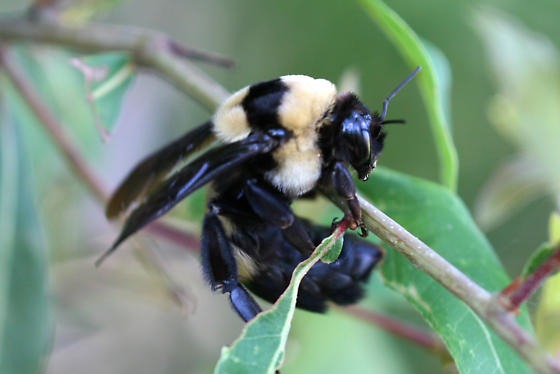
The Southern Plains Bumblebee is a native bee species residing in the Southern Plains and Gulf Coastal plain region of the US. It is one of the larger bee species on the North American continent. These bees have the trademark black and yellow bee coloring but unlike their cousins, the hairs on their body lay flat, giving them a sleeker appearance. These bees nest underground, taking advantage of natural holes or the abandoned burrows of other animals to form their colonies. They collect nectar and pollen from a wide variety of plants.
They are listed as “Endangered” due mostly to major habitat loss (native grassland turned into agricultural land) as well as the use of pesticides and competition from non-native bee species. These bees are an important part of the ecosystem as a substantial pollinator who is well-suited to native plant species.
5. Red-cockaded Woodpecker
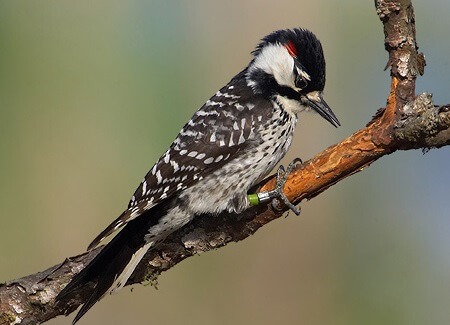
The classic woodpecker was once a staple of North American forests and the pine forests of the Southeast were no different. The Red-cockaded Woodpecker is a native species that used to be commonly found in longleaf pine forests but is now listed as “endangered’ and seen rarely. These special birds require a very specific mature pine forest ecosystem to thrive, a habitat that has been dwindling rapidly over the last few decades thanks to logging and widespread development.
Like other woodpeckers, they create cavities in trees to nest and raise their young. They live in family groups that work together to carve out a series of cavities and they look for living pine trees affected by heartwood rot to make for softer digging. They also poke holes around the nest to let sticky resin to ooze out, making it difficult for climbing predators like snakes to reach them. Red-cockaded woodpeckers predominantly eat bugs like roaches, ants, beetles and termites - making them an important part of the forest and useful to have nearby.
What can you do to help?
All of these species, and the countless others living in the Southeast, are vital to the survival of the ecosystem and nature’s checks and balances. Many of our iconic species have been drastically affected by habitat loss and deforestation, an issue that unfortunately can feel much larger than individual action. Combating habitat loss and restoring forests & ecosystems will require the collective efforts of local & state legislators, developers and small businesses, and concerned citizens all working together.
The great news is there are a few actions you can take today to help the animals above. Make sure to limit your single-use plastic and always discard plastic bags in the appropriate receptacles to help marine life like leatherback sea turtles thrive. If you are out exploring natural lands during the winter, make sure to leave caves undisturbed to prevent interrupting the hibernation of animals like the Indiana Bat (or a bear!). If you see a snake while in the forest or on the road, consider that it is likely to be non-venomous like the Indigo snake and leave it be. Learn about organic methods of gardening and yard maintenance and say no to pesticides that harm our native bee species like the Southern Plains bumblebee. Finally, do your part as a local to advocate for the conservation of longleaf pine forests, once the predominant ecosystem in the Southeast, which serve as the habitat that allows many native species like the Red-cockaded Woodpecker to flourish.
With the collective impact of many communities making an effort to preserve these amazing species, we can achieve a lot! Speak with your neighbors and friends today about these great animals.
Want to read more about the fascinating world of Southeastern species? Check out this article by Blue Ridge Outdoors on some conservation success stories.
Post a comment